
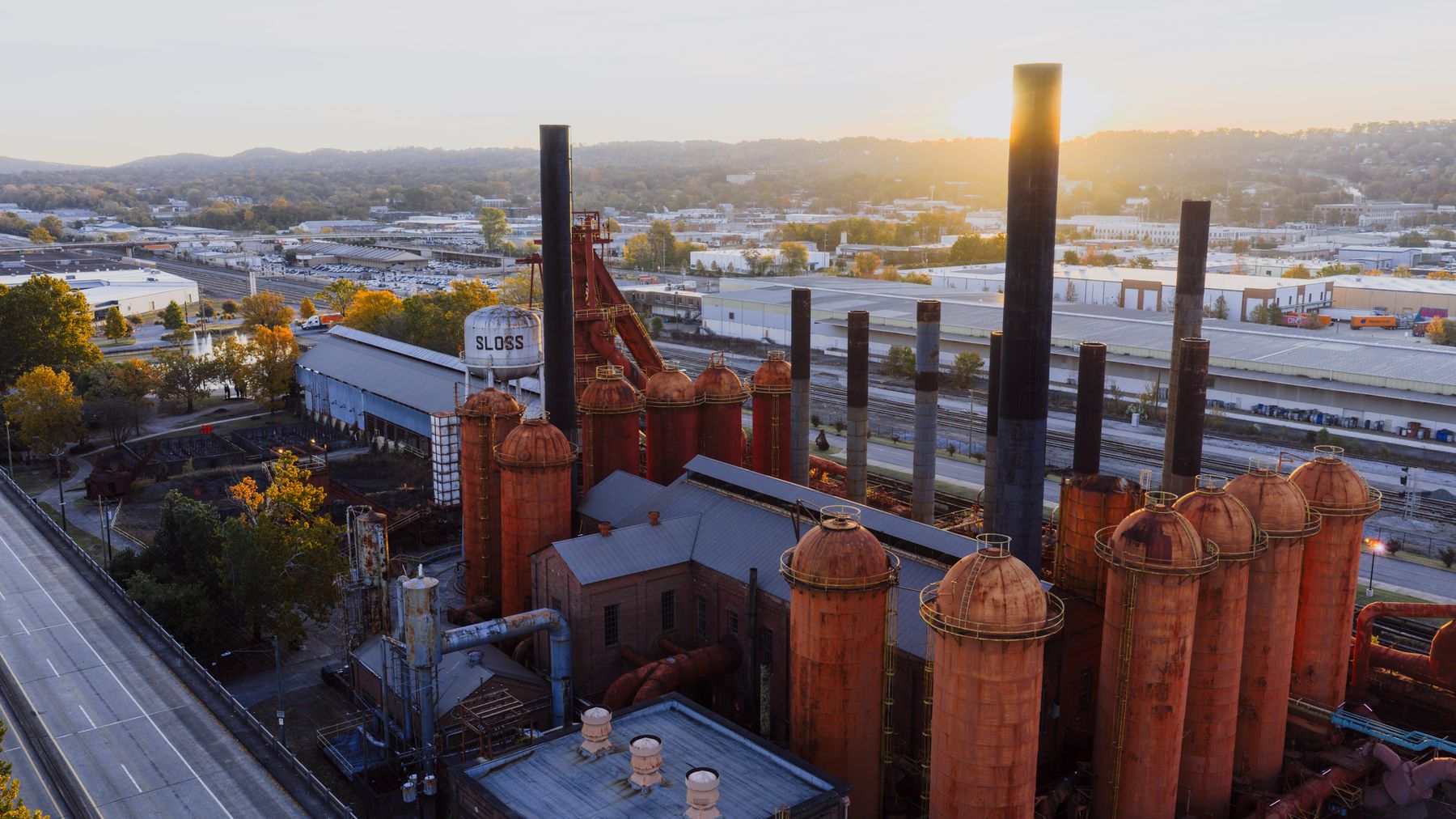
Brownfield redevelopment can turn an underused industrial property into housing, offices, businesses, or public space. When the site also contains a historic mill, factory, or warehouse, the team may face two distinct challenges: making the property safe for its intended use and preserving the features that make the building historically significant.
Those efforts can reinforce each other, but they need coordinated decisions about property acquisition, environmental risk, reuse design, and financing. For the building-specific side of the work, see factory adaptive reuse.
What is a brownfield?
Under federal law, a brownfield is generally real property whose expansion, redevelopment, or reuse may be complicated by the presence or potential presence of a hazardous substance, pollutant, or contaminant, subject to statutory exclusions and exceptions. A site doesn't need confirmed contamination to raise brownfield concerns, and an older industrial building isn't automatically a brownfield.
Former manufacturing operations, dry cleaning, fuel storage, or other historic uses may warrant investigation of soil, groundwater, vapor, or building materials. The actual risks depend on the property history and testing, not its appearance.
Five decisions that shape historic industrial redevelopment
Investigate before buying. A Phase I Environmental Site Assessment reviews past uses and potential environmental concerns. Purchasers seeking certain federal landowner liability protections generally need all appropriate inquiries before acquisition, plus applicable continuing obligations afterward. A Phase II investigation may follow when sampling is warranted.
Match cleanup to the proposed reuse. Residential, commercial, and recreational uses can present different exposure scenarios. Under risk-based cleanup programs, an approved remedy may involve removal, treatment, vapor mitigation, or engineered barriers, sometimes with recorded land-use restrictions and ongoing monitoring.
Plan for historic fabric. Remediation, abatement, new utilities, and site excavation may affect significant brickwork, windows, structural systems, equipment, circulation, or industrial landscape features. If the project seeks federal historic rehabilitation certification, proposed work must meet the Secretary of the Interior's Standards for Rehabilitation.
Separate the approvals. A cleanup plan, zoning approval, building permit, local preservation approval, and historic tax-credit certification are different processes. Approval in one process doesn't satisfy the others. Test the entire capital stack: environmental assessment, remediation, structural repairs, utility upgrades, design, permitting, and carrying costs should be estimated together.
Brownfield redevelopment grants: who can use them?
EPA brownfield grants generally fund defined public-interest activities rather than offering an unrestricted subsidy to any property buyer. Assessment grants can support inventories, Phase I and Phase II assessments, planning, and related activities. Cleanup grants can address qualifying sites that eligible applicants own, subject to program requirements. Revolving loan funds may provide eligible loans and subgrants for cleanup.
For-profit developers and individuals generally can't apply directly for EPA Brownfields grants. A private redevelopment can still benefit when an eligible public or nonprofit partner holds a grant, or through eligible revolving-fund financing. State brownfield or voluntary-cleanup programs and local assistance vary significantly.
Can brownfield and historic tax credits be combined?
Sometimes, but they are separate programs with separate eligible costs. The federal historic rehabilitation credit generally equals 20% of qualified rehabilitation expenditures for an eligible certified historic structure used for an income-producing purpose, subject to preservation certification and tax requirements. Acquisition, landscaping, parking areas, and many other site costs generally aren't qualified rehabilitation expenditures.
The former federal Brownfields Tax Incentive expired at the end of 2011 and hasn't been renewed. Some states offer distinct brownfield incentives or credits, but there is no single nationwide brownfield redevelopment tax credit that applies to every project. See historic tax credits as project signals and state historic tax credits for the distinct preservation finance context.
Where projects become visible before construction
Brownfield projects often produce useful public records years before a construction bid. Watch for municipal brownfield inventories and grant applications, Phase I or Phase II assessment procurements, state cleanup-program files, redevelopment plans, property transfers, local incentive requests, developer selections, historic tax-credit applications, and design contracts.
An assessment grant identifies potential activity, not a funded construction project. A redevelopment agreement or approved cleanup plan adds definition, but financing, design, and permits may still be unresolved. Connecting those records over time is more useful than treating one announcement as a construction lead. See where adaptive reuse projects first appear and how to track a project from funding through construction.
The practical takeaway
Brownfield redevelopment and historic preservation work best when environmental specialists, preservation professionals, designers, and the owner evaluate the property together before major commitments are made. The goal isn't simply to remove contaminants or save a facade. It is to deliver a safe, financially viable reuse that respects the building's historic character where preservation applies.
For preservation contractors, architects, engineers, and developers, environmental grants and assessment work can also be early indicators of future rehabilitation opportunities. Preserve Signal follows those developing signals across 12 southern and eastern states to help firms identify relevant projects before they reach conventional construction procurement.