
Historic theater restoration is the repair, conservation, and sensitive upgrading of an older theater while retaining the spaces, materials, decorative finishes, and performance features that convey its historic character. The work can involve the auditorium, lobby, stage house, proscenium, balconies, seating, plaster, decorative paint, gilding, lighting, marquees, masonry, roofs, mechanical and electrical systems, fire protection, accessibility, acoustics, and theatrical equipment.
Theaters are both historic buildings and working performance facilities. A successful project has to protect significant architecture while supporting audiences, performers, technicians, contemporary productions, life safety, maintenance, and financially viable operations. Many projects commonly called theater restorations are formally Rehabilitation projects under the Secretary of the Interior's Standards.
1. Start with significance, operating goals, and physical evidence
A movie palace, vaudeville house, civic auditorium, neighborhood cinema, and legitimate theater can have different character-defining features and operating needs. Historic drawings, photographs, programs, paint layers, fixture schedules, alterations, physical evidence, National Register documentation, and maintenance records can help establish chronology. The future program also matters: film, touring productions, amplified music, lectures, rentals, and education place different demands on stage depth, rigging, loading, acoustics, projection, lighting, dressing rooms, and circulation.
Preserve Signal's guides to character-defining features and historic paint analysis explain why evidence should guide decisions before missing finishes or features are recreated.
2. Decorative interiors are building fabric, not stage scenery
Historic theaters can contain ornamental plaster, painted decoration, gilding, stenciling, murals, faux finishes, metalwork, decorative lighting, draperies, and specialty surfaces. These elements often define the audience experience but can conceal water damage, failed plaster keys, corroded supports, overpainting, and structural movement. Treatment should begin with investigation rather than wholesale repainting. Sound historic plaster can often be retained and reattached, missing ornament can be cast from surviving examples when evidence supports it, and decorative finishes may require cleaning, consolidation, selective exposure, inpainting, or evidence-based recreation.
Hazardous-material surveys should precede intrusive work where older coatings, plaster systems, fireproofing, curtains, insulation, or other materials may contain regulated substances. See Preserve Signal's historic plaster restoration guide for the related flat and ornamental plaster questions.
3. Stage systems and stage-house life safety need separate assessments
The stage house can contain counterweight or hemp rigging, battens, grids, galleries, blocks, fire curtains, orchestra lifts, traps, stage floors, lighting positions, and other equipment that isn't evaluated like ordinary building construction. Historic equipment shouldn't remain in service simply because it still moves. Qualified theatrical-rigging and structural professionals may need to evaluate hardware, wire rope, blocks, arbors, attachment points, galleries, supporting structure, and the loads actually imposed.
Depending on the stage configuration, proscenium conditions, sprinkler protection, adopted code edition, and local amendments, Chapter 410 and other requirements can trigger specialized provisions for fire-curtain protection, smoke control or venting, sprinklers, stage construction, and related systems. Significant equipment can sometimes be documented and retained while unsafe working components are replaced or taken out of operational service.
4. Acoustics, seating, accessibility, and operations are linked
A room that looks restored can still fail as a theater if speech, music, amplified sound, or noise control doesn't work for its intended program. Historic auditoriums were shaped by volume, geometry, balconies, plaster, seating, draperies, ornament, and period performance technology. The solution isn't automatically to cover significant walls with acoustic panels. The right strategy follows acoustic testing or modeling, program requirements, historic character, and actual sources of reverberation or sound transmission.
Rehabilitation can also trigger questions about accessible routes, wheelchair and companion spaces, lines of sight, handrails, aisle geometry, travel paths, occupant load, and egress. The design team should model realistic code-compliant seating alternatives early and feed each resulting capacity into ticket-revenue, staffing, event, and operating projections. Preserve Signal's ADA for historic buildings guide explains why accessibility should be coordinated before the seating plan is fixed.
5. Modern systems need preservation and environmental planning
Historic theaters often need major HVAC, electrical, lighting, fire-alarm, sprinkler, plumbing, communications, security, projection, and audiovisual upgrades. The challenge is finding routes and equipment locations without unnecessarily cutting ornamental plaster, blocking decorative grilles, damaging murals, lowering significant ceilings, or cluttering public spaces.
Existing shafts, attic areas, basements, and under-seat or underfloor air paths may offer opportunities, but an old cavity shouldn't automatically become a modern supply-air plenum. Investigate accumulated dust and debris, moisture and microbial conditions, asbestos-containing materials, lead-containing dust or coatings, deteriorated insulation, fire and smoke characteristics, and maintenance access before reuse. Historic decorative fixtures may also be part of the work. Preserve Signal's historic lighting restoration guide covers rewiring, approval pathways, LEDs, and significant gas or electric fixtures.
6. Marquee restoration starts behind the sheet metal
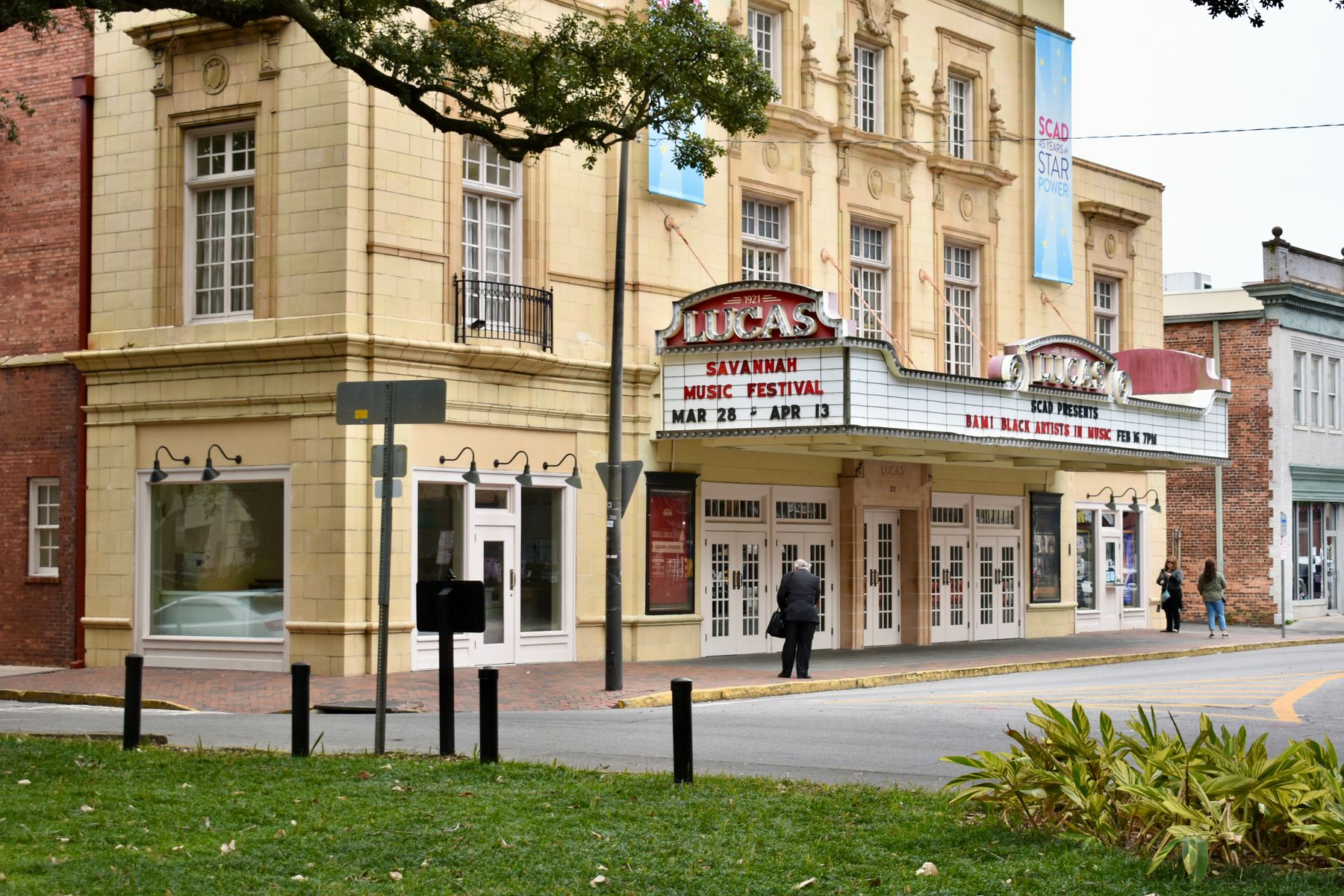
For many theaters, the marquee, vertical sign, ticket booth, entrance doors, display cases, facade ornament, and exterior lighting are among the most recognizable features. Marquee work can involve structural steel, sheet metal, neon or other illumination, electrical systems, terra cotta, masonry, glazing, coatings, and custom fabrication. The most important defect may be concealed: water entry and long-term corrosion can reduce steel section or damage surrounding masonry while the visible enclosure still appears serviceable.
Assessment should address the frame, load path, anchorage, supporting masonry, corrosion, movement, drainage, and current wind and gravity demands. A missing marquee also shouldn't be recreated from a generic theater design when evidence is weak. Historic photographs, drawings, attachment points, sign permits, and physical remnants can support accurate reproduction. See historic facade restoration for the larger envelope context.
7. Restoration examples show different project paths
The Tennessee Theatre in Knoxville reopened in 2005 after a major restoration and remains an active entertainment venue. Savannah's Lucas Theatre, opened in 1921 and restored after its 1976 closure, has required continued specialty work to its plaster, paint, gilded finishes, and ornament. Greensboro's Carolina Theatre illustrates phased stewardship, with auditorium improvements followed by facade restoration of leaded-glass and steel-framed windows, terra cotta, and decorative exterior details.
These aren't a ranking and their scopes aren't identical. They show recurring patterns: comprehensive capital restoration, specialty conservation after reopening, and phased rehabilitation of an operating venue.
8. Funding and tax credits can shape the project
Historic theaters are often owned or operated by nonprofits or public entities, and their capital stacks can combine philanthropy, grants, public appropriations, local incentives, debt, fundraising campaigns, and other sources. Privately owned income-producing theaters may also be candidates for federal or state historic rehabilitation tax incentives when eligibility and transaction structure align.
A tax-exempt owner can't simply use a federal income-tax credit in the same way as a taxable owner. Tax-exempt-use and leasing rules, qualified rehabilitation expenditures, investor allocations, and other facts need transaction-specific analysis. Preserve Signal's historic preservation funding sources guide explains how grants, tax credits, public programs, philanthropy, and owner capital can fit together.
9. Historic theater restoration produces early project signals
Theaters often reveal capital plans long before a construction bid. Useful signals include building and theatrical-system assessments, Historic Structure Reports, paint and plaster investigations, acoustic studies, rigging inspections, stage life-safety studies, seating and egress studies, accessibility plans, hazardous-material surveys, fundraising work, grant awards, tax-credit applications, preservation approvals, architect or theater-consultant selections, marquee investigations, contractor prequalification, mockups, and announced closure windows.
The strongest signal is usually a combination. A rigging report alone may lead only to maintenance. A capital campaign plus completed design, preservation approvals, a closure schedule, and contractor procurement is much stronger evidence that construction is approaching. Preserve Signal's Before the RFP guide explains how to connect those records.
The takeaway
Historic theater restoration succeeds when the team treats the venue as a historic building, a life-safety system, and a working performance environment at the same time. Preserve significant spaces and finishes, investigate stage systems and fire protection early, model seating and operating capacity together, verify environmental conditions before reusing old air paths, assess concealed marquee anchorage, and structure funding before tax-credit proceeds are assumed.