
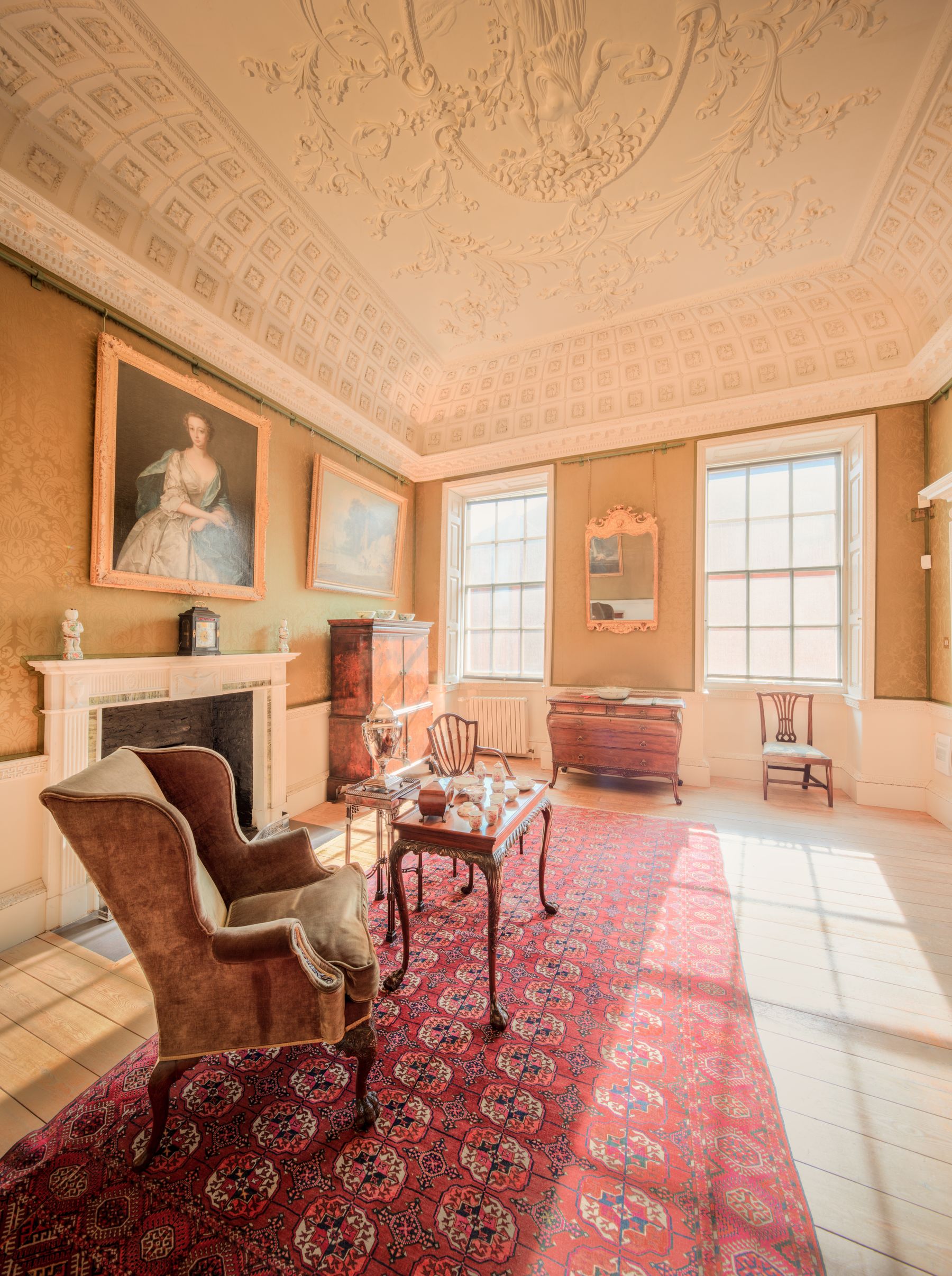
Walk through a historic building and some elements immediately seem essential to the place. It might be the shape of the roof, a row of tall windows, a masonry storefront, an ornamental staircase, the proportions of a lobby, or even the way a building sits within its site.
In historic preservation, these elements are often described as character-defining features.
The term is important because preservation is not simply about keeping everything that is old. Instead, preservation professionals seek to understand which materials, features, spaces, and relationships help a historic property convey its architectural, historical, or cultural significance.
National Park Service guidance uses the concept of character-defining features to describe the visual aspects and physical elements that give a historic building its character. Those features can range from the building’s overall form and setting to smaller-scale materials, details, spaces, features, and finishes.
Understanding those features is often one of the first steps toward planning an appropriate historic rehabilitation.
What can be a character-defining feature?
Character-defining features can exist at several scales.
- the overall shape, scale, and massing of a building
- its relationship to the surrounding site or streetscape
- roof forms, chimneys, towers, dormers, or cupolas
- porches, balconies, arcades, bays, and other projections
- the size, rhythm, and placement of windows and doors
At closer range, character may be expressed through materials and craftsmanship. Brickwork, stone, wood siding, stucco, terra cotta, metalwork, historic windows, decorative trim, mortar joints, and other details can contribute to the way a property is understood.
Interior spaces can be character defining as well. A historic lobby, courtroom, sanctuary, auditorium, corridor system, staircase, industrial production space, or distinctive floor plan may be important to a building’s historic character. Finishes such as woodwork, plaster, flooring, doors, decorative ceilings, or other architectural details may also contribute.
National Park Service Preservation Brief 17 recommends looking at historic buildings at multiple levels, beginning with their overall visual character, then examining materials and craftsmanship at close range, and also considering interior spaces, features, and finishes. Preservation Brief 18 provides more detailed guidance for identifying significant interior spaces and elements.
Not every old feature is character defining
One of the most important distinctions in historic preservation is that age alone does not make something a character-defining feature.
Historic properties frequently change over time. A building may have been expanded, remodeled, modernized, or adapted for new uses several times during its history. Some alterations may contribute little to the property’s significance. Others may have acquired historic significance in their own right.
The Secretary of the Interior’s Standards for Rehabilitation specifically recognize that properties change over time and state that changes that have acquired historic significance in their own right should be retained and preserved.
That means identifying character-defining features requires context.
Preservation professionals may consider a property’s period of significance, historic use, architectural design, construction history, physical integrity, and documentation associated with its historic designation. A feature’s location and relationship to other elements can matter just as much as the feature itself.
A highly visible entrance, for example, may play a very different role in a building’s character than a secondary opening at the rear. Likewise, a grand public lobby may have greater significance to an institutional building than a later utilitarian interior space.
There is no universal checklist that makes the determination for every property.
Why character-defining features matter during rehabilitation
The concept becomes particularly important when a historic property is being rehabilitated for continued or new use.
The Secretary of the Interior defines rehabilitation as making a compatible use possible through repair, alterations, and additions while preserving the portions or features that convey a property’s historical, cultural, or architectural values.
The Standards for Rehabilitation repeatedly address the protection of distinctive materials, features, spaces, and spatial relationships.
Among other principles, the Standards call for retaining a property’s historic character, avoiding unnecessary removal or alteration of features that characterize it, preserving distinctive materials and craftsmanship, and repairing deteriorated historic features rather than replacing them when repair is feasible. When replacement of a distinctive feature is necessary because of deterioration, the Standards provide additional guidance concerning the design, appearance, and materials of the replacement.
This does not mean that historic buildings cannot change.
Rehabilitation specifically allows alterations and additions needed to support a compatible use. The challenge is to accommodate those changes while preserving the features that allow the historic property to continue conveying its character.
Character-defining features and historic tax credit projects
Character-defining features can become especially consequential when a rehabilitation is pursuing the Federal Historic Preservation Tax Incentives program.
For that program, the Secretary of the Interior’s Standards for Rehabilitation are the regulatory criteria used to determine whether a project qualifies as a certified rehabilitation. The National Park Service evaluates the rehabilitation as a whole for consistency with the historic character of the property and, where applicable, its historic district.
Early identification of important spaces, materials, and architectural features can therefore affect major design decisions.
A project team contemplating replacement windows, new mechanical systems, altered circulation, accessibility improvements, additions, new floor openings, or changes to significant interior spaces needs to understand the historic character of the property before design decisions become difficult or expensive to reverse.
National Park Service guidance also emphasizes early planning when code requirements or other regulatory requirements could affect historic materials and character-defining features.
Character can extend beyond decorative architecture
The phrase can sometimes create the impression that character-defining features are limited to ornate architectural details. They are not.
For a nineteenth-century courthouse, decorative woodwork or a monumental staircase might be important. For an industrial building, the defining characteristics might instead include open floor plates, repetitive structural bays, large windows, exposed structural systems, or evidence of its historic industrial function.
A twentieth-century office, hospital, school, or other institutional building could derive part of its character from materials, layouts, or building systems that are not traditionally considered decorative. The question is not whether a feature is elaborate.
The question is whether it contributes meaningfully to the historic character and significance of the property.
Identifying character-defining features before design begins
For owners, developers, architects, preservation consultants, and contractors, identifying these features early can make rehabilitation planning more effective.
Useful sources may include historic photographs, architectural drawings, National Register nominations, local designation documentation, historic structure reports, physical investigation of the building, and other records of the property’s development.
National Park Service Preservation Briefs 17 and 18 provide specific guidance for evaluating architectural character and historic interiors. State Historic Preservation Offices and local preservation agencies may also provide guidance, particularly when a project is subject to a specific regulatory or incentive program.
That work can help a project team distinguish between areas where change may be relatively flexible and those where alteration could substantially affect the property’s historic character.
Why the term matters
“Character-defining features” may sound like specialized preservation vocabulary, but the idea behind it is straightforward.
Historic preservation is ultimately concerned with retaining the physical qualities that allow a place to communicate why it is significant.
Sometimes those qualities are immediately recognizable, such as a prominent facade, porch, tower, or grand interior. In other cases they are found in less obvious characteristics such as building proportions, circulation patterns, industrial layouts, material textures, craftsmanship, landscape relationships, or the cumulative effect of many smaller elements.
Identifying those features does not mean freezing a historic property in time. It provides a framework for understanding what matters before deciding what can change.
For historic rehabilitation projects, that understanding can shape everything from early planning and design to regulatory review, incentive applications, construction documents, and the long-term stewardship of the property.