
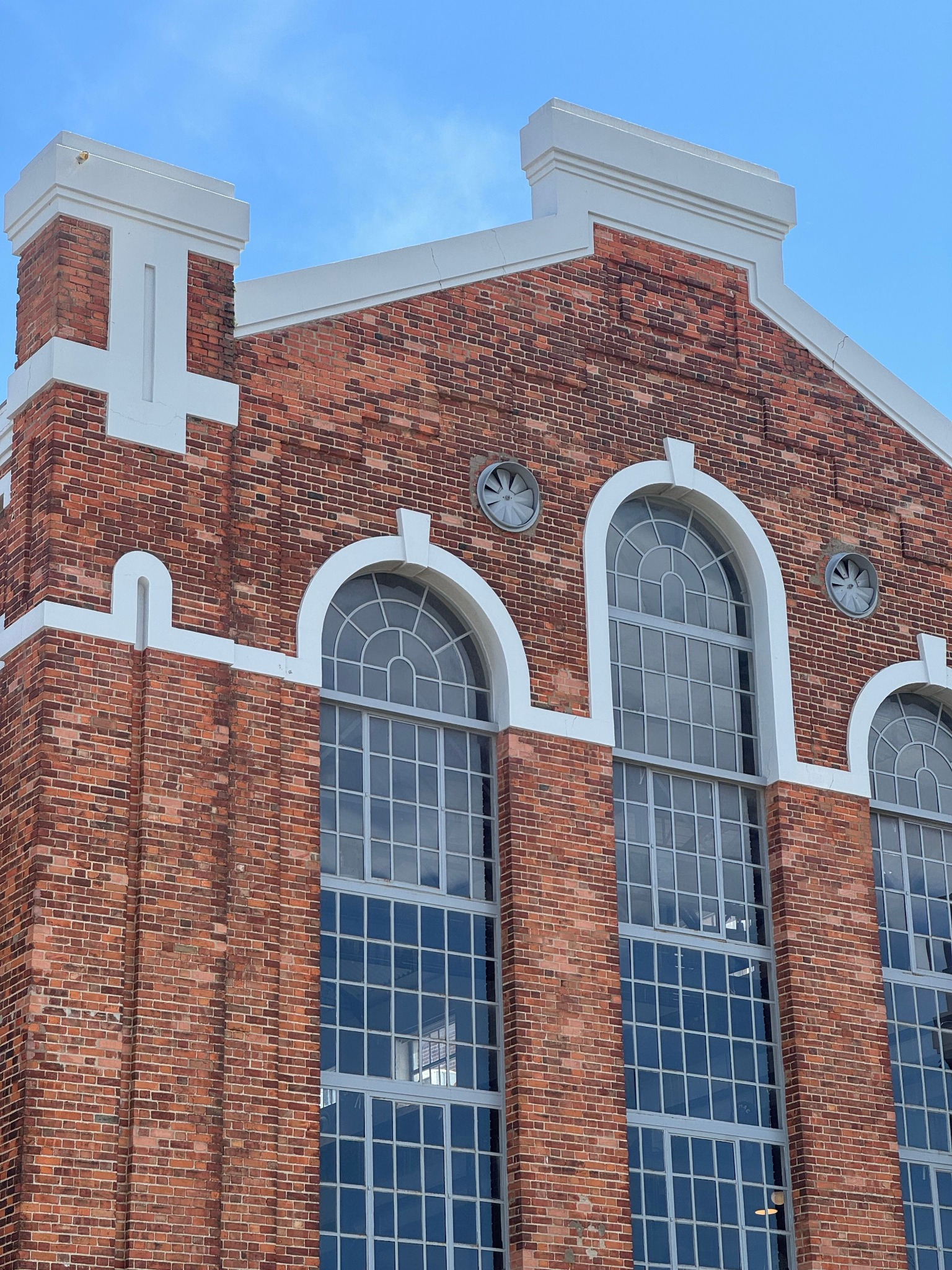
Historic adaptive reuse projects rarely begin with a construction bid.
They often begin quietly: a city discusses the future use, rehabilitation, or stabilization of a historic building; a developer requests an incentive; a board approves a feasibility study; or a redevelopment plan identifies a historic property for reuse.
Individually, these may not look like major commercial opportunities. But they can be the early parts of a project story.
Redevelopment and reuse plans
Local redevelopment plans, downtown plans, corridor studies, and public facility plans are useful starting points.
Cities, redevelopment agencies, and public owners may identify historic buildings or districts they hope to reactivate.
Potential uses may include:
- Housing
- Hospitality
- Office or workspace
- Cultural use
- Mixed use redevelopment
- Community facilities
- Public service or civic use
Requests for development partners
Public owners sometimes seek a private development partner before traditional architectural or construction procurement occurs.
That can happen through:
- Requests for qualifications
- Requests for proposals
- Requests for expressions of interest
- Property disposition processes
- Ground lease opportunities
- Public private development solicitations
Incentive and funding applications
Historic adaptive reuse projects often require complex financing. Public records may reveal activity involving:
- Historic tax credits
- Local redevelopment incentives
- Grants
- Tax increment financing
- Community development funding
- State rehabilitation programs
- Other public assistance
Historic preservation approvals
Projects involving designated historic properties may appear before local historic preservation boards or commissions. These records can help show whether a historic property is moving from a broad idea toward an actionable rehabilitation or reuse plan.
Not every adaptive reuse project is preservation work
Converting a relatively modern vacant office building to apartments may be adaptive reuse, but it isn't necessarily a historic preservation project. For firms specifically pursuing preservation work, the historic character or significance of the property matters.
That distinction helps separate a focused opportunity pipeline from the much broader universe of redevelopment.
Think in signals, not announcements
Look for credible signs of movement across multiple public sources. The earlier you understand that progression, the easier it is to decide whether the opportunity deserves attention.