Plans and budgets
Capital improvement plans, facility plans, adopted budgets, and appropriations can reveal an owner's intention and expected timing.

Historic Preservation Project Intelligence
Historic preservation and adaptive reuse projects rarely begin with a bid notice. They develop through scattered plans, decisions, funding actions, and approvals. Project intelligence connects those signals so you can understand what's forming, how far it's advanced, and when it may matter to your firm.
01
Project intelligence is more than a list of links or a collection of bid notices. It's the work of identifying a potential project, connecting records that refer to the same property, judging the strength of the evidence, and updating the story as newer information appears.
That distinction is especially important in historic preservation. The same rehabilitation may be described as stabilization in a grant record, facility renewal in a capital plan, adaptive reuse in a development agreement, and exterior repairs in a construction notice. If you search only one phrase or one procurement portal, you can miss the project or arrive after important decisions have already been made.
02
No single source sees the whole market. The useful picture emerges when several source types are read together.
Capital improvement plans, facility plans, adopted budgets, and appropriations can reveal an owner's intention and expected timing.
Grant applications, awards, historic tax credits, and local incentives can show that scope and financing are taking shape.
Board agendas, council minutes, preservation reviews, and development approvals can document authorization and movement.
Sales, leases, dispositions, development agreements, and ownership changes can reveal who controls the site and what use is proposed.
Section 106 notices and related documents can identify affected historic properties, consulting parties, schedules, and mitigation commitments.
RFQs, RFPs, invitations to bid, prequalifications, and awards show when professional or construction services reach the market.
03
Preservation projects don't always move in a straight line, but this sequence provides a practical framework for tracking them.
A capital plan, property action, grant application, feasibility study, or public meeting introduces a credible project need.
Appropriations, grants, incentives, tax credits, preservation reviews, and governing board actions improve the project's definition.
Assessments, consultant selections, design contracts, and preservation submissions reveal the team and proposed approach.
An RFQ, RFP, invitation to bid, prequalification, or construction manager solicitation brings services formally to market.
Awards, permits, closures, and progress updates show that implementation is underway.
Closeout may end the opportunity or reveal later interior, systems, site, or program work worth following.
04
An old building in a news story isn't automatically a preservation project. A grant application isn't a construction contract. A concept plan isn't a guaranteed schedule. Useful intelligence preserves those distinctions.
Confidence increases when independent records confirm property control, a defined scope, committed funding, required approvals, a forming project team, and a visible path toward procurement. The newest reliable evidence matters most because projects can stall, change names, split into phases, or disappear entirely.
05
Planning studies, funding applications, preservation reviews, and early owner actions may matter before design procurement begins.
Financing, design progress, delivery decisions, permits, prequalification, and procurement schedules often become more important as construction approaches.
Approved scopes and design documents can reveal likely work involving masonry, windows, roofing, plaster, woodwork, finishes, or building systems.
Property control, incentives, tax credits, approvals, market use, and the capital stack help show whether a reuse plan is becoming feasible.
06
Preserve Signal monitors historic preservation and adaptive reuse activity across Virginia, North Carolina, South Carolina, Georgia, Florida, Alabama, Mississippi, Louisiana, Tennessee, Kentucky, Arkansas, and Maryland, as of today (more states to be added soon).
The source landscape varies by state and locality. The research method stays consistent: find credible signals, connect them to the right property, verify material claims, identify the current stage, and keep following the project.
Explore geographic coverage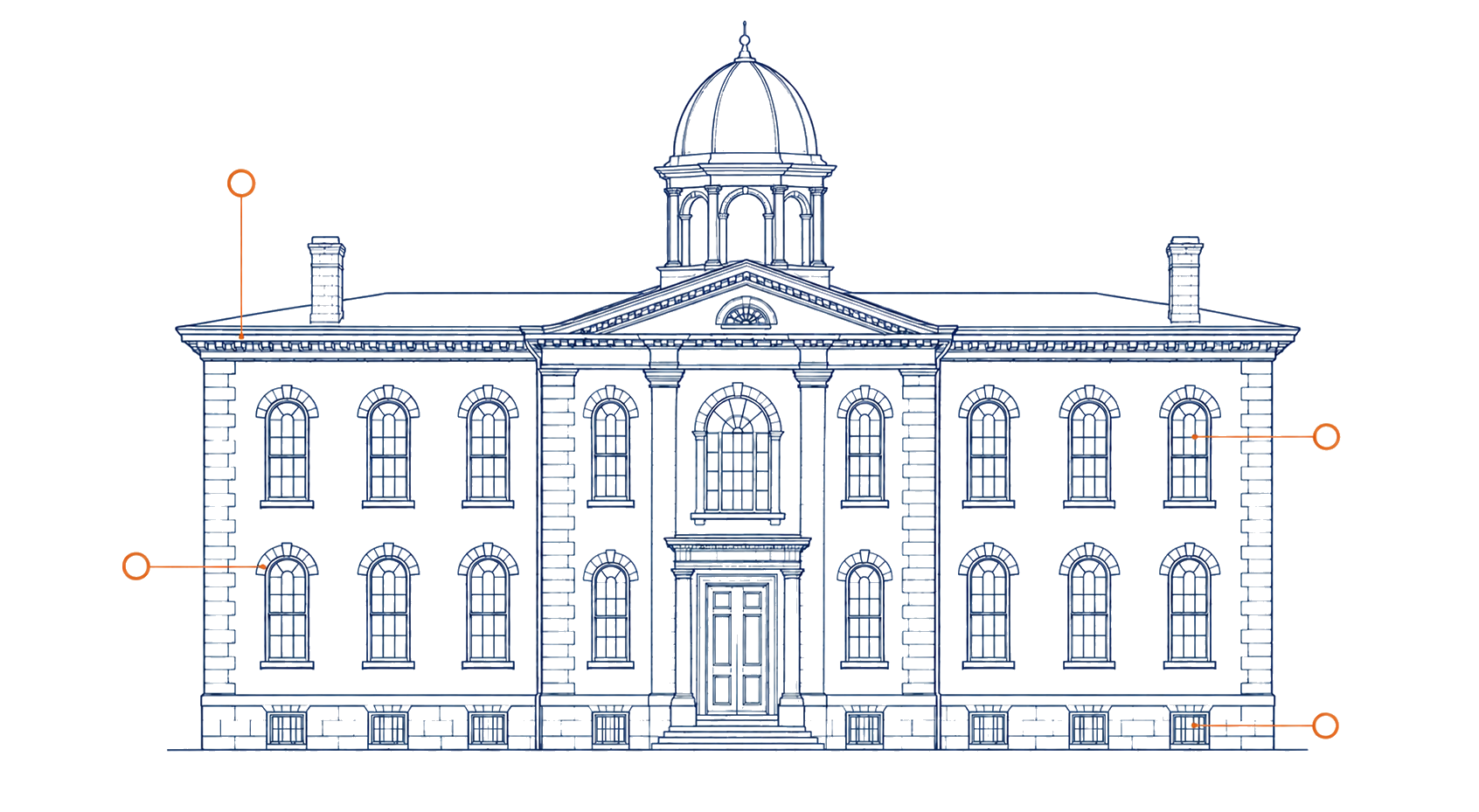
07
Use these guides to examine the individual signals that feed a stronger project trail.
How property, financing, approval, design, and procurement signals connect.
Read guideHow federal historic preservation review can reveal developing work.
Read guideHow different procurement paths bring preservation work to market.
Read guideWhere to look before an RFQ, RFP, or bid notice appears.
Read guideHow public capital plans can reveal rehabilitation needs years ahead.
Read guideWhat incentive activity can tell you about a developing rehabilitation.
Read guideWhat grant applications and awards can reveal before work reaches the market.
Read guideThe property, planning, financing, and approval records that often appear first.
Read guideHow to follow changing evidence from funding through construction.
Read guide08
Preserve Signal's public resources explain how the market works, where signals appear, and how firms can evaluate them. They don't reproduce the active member database.
Members receive the useful next layer: specific opportunities, current stages, project signals, source trails, and actual procurement intelligence, along with continuing updates. That boundary protects the value of the product while making this site a genuinely useful public resource.
Move earlier
Use Preserve Signal to follow credible preservation and adaptive reuse opportunities across the south and east.