
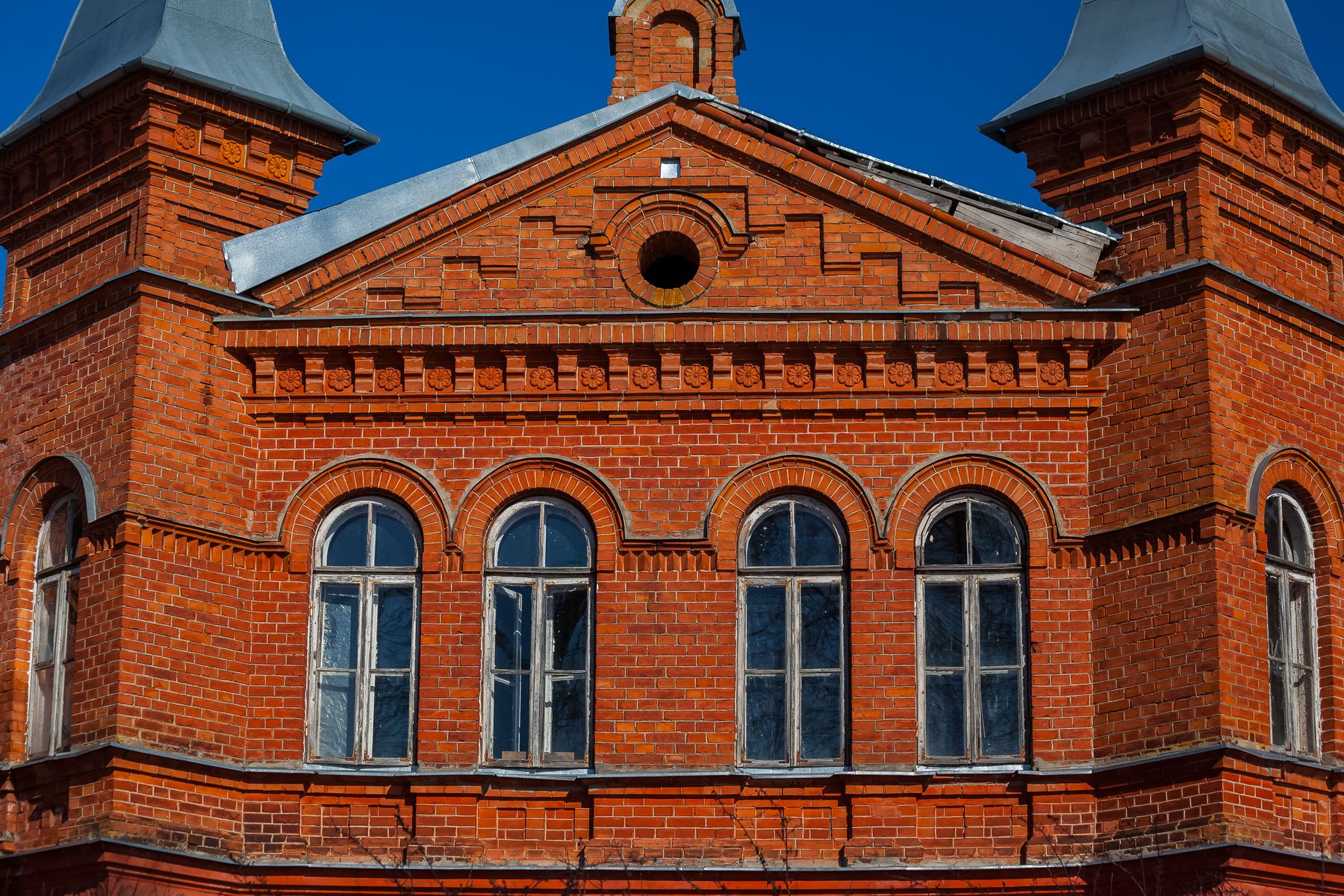
Historic fabric is physical material from a historically significant period that survives as evidence of a property's construction, alteration, use, craftsmanship, and age. National Park Service terminology ties historic fabric to historically significant periods, which are often expressed in formal evaluations as a property's period or periods of significance.
Historic fabric is a preservation term, not a single legal test
Preservation professionals use “historic fabric” constantly. The term is not a stand-alone National Register criterion or legal designation, but the National Park Service does define it in agency guidance as physical elements from a historically significant period, as distinguished from later material used to maintain or restore a resource. The Secretary of the Interior's Standards themselves more often speak about historic materials, features, finishes, construction techniques, spaces, and spatial relationships.
The period-of-significance connection is important. A component may be old without being historic fabric for the evaluation at hand. Material added outside an established significant period may simply document later physical chronology unless that later work has acquired significance in its own right or the property's period of significance is revised through appropriate evaluation. Preservation Brief 43 likewise treats establishment of a period of significance and understanding different construction campaigns as foundational to treatment planning.
That distinction matters because the phrase describes physical evidence. It does not, by itself, answer why a property is significant, whether it is eligible for the National Register of Historic Places, or which treatment is appropriate. Those questions require historical context, evaluation of significance and integrity, and a project-specific preservation framework.
For the broader treatment framework, see Preserve Signal's guide to historic rehabilitation, preservation, restoration and reconstruction.
What can count as historic fabric?
The answer depends on the property and its historically significant period or periods. Historic fabric can be obvious, such as brick walls or timber framing dating to a significant construction campaign, but it can also be comparatively ordinary material whose value comes from location, workmanship, association, or the way it documents a significant phase of the property.
- Exterior masonry, stone, mortar, stucco, siding, terra cotta, concrete, and decorative metalwork.
- Historic windows, doors, frames, glazing, hardware, shutters, storefronts, porches, stairs, and railings.
- Roof framing, structural timber, iron or steel, historic decking, roofing materials, chimneys, and other surviving construction assemblies.
- Interior plaster, woodwork, flooring, tile, pressed metal, decorative finishes, ceilings, millwork, built-ins, and other surviving finishes.
- Evidence of change, including blocked openings, ghost marks, patched masonry, former stair locations, machinery bases, or other physical clues that document how the building evolved.
Fabric can also be modest. A plain plaster wall in a worker housing interior, exposed concrete in an industrial building, or utilitarian wood flooring may be historically important even if it isn't decorative. Preservation Brief 17 specifically emphasizes materials, craft details, interior surfaces, and exposed structure as potential contributors to historic character.
The idea is not limited to building interiors and exteriors. Cultural landscapes can retain historic circulation systems, topography, walls, paving, small-scale features, vegetation, spatial patterns, and other physical characteristics from a significant period. Archeological resources are evaluated through their own methods and vocabulary, but the same preservation concern for surviving physical evidence applies to stratified deposits, features, artifacts, and their context. In other words, the physical record of a historic property can extend well beyond the walls of a building.
Historic fabric is not the same as character-defining features
The terms overlap, but they answer different questions. Historic fabric asks what physical historic material survives. Character-defining features ask which physical and spatial qualities help create the property's historic character.
A historic window can be both surviving historic fabric and a character-defining feature. A broad industrial floor plate can be character defining even though “open space” is not a material. Conversely, a concealed piece of old framing may be genuine historic fabric without being a major contributor to the building's visual character.
That is why the two concepts should be read together. Preserve Signal's article on character-defining features explains how form, spaces, materials, features, and relationships contribute to a property's character.
Historic fabric is also different from significance and integrity
Historic significance explains why a property matters within a historic context. National Register significance can arise from association with important events or people, important design or construction, or information potential. Historic fabric is evidence that can help a property express those values, but the material itself is not the significance statement.
Integrity is another distinct concept. The National Register evaluates integrity through seven aspects: location, design, setting, materials, workmanship, feeling, and association. Materials are therefore one aspect of integrity, not the whole test. A property can retain important historic fabric and still have integrity problems because of changes to design, setting, feeling, or association.
Condition and integrity are different, but they are not disconnected. Deterioration does not automatically erase historic integrity, and NPS tax-credit guidance notes that historic character is generally not readily lost through deterioration. Severe deterioration can, however, compromise integrity when material or workmanship no longer survives well enough to convey historic associations, or when so much replacement becomes necessary that material integrity is substantially reduced. The judgment is property- and feature-specific, not a fixed percentage test.
Does historic fabric have to be original?
No. “Historic fabric” is often used casually to mean original material, but that can be too narrow. Historic properties change over time, and later work can become historically significant in its own right. The Secretary of the Interior's Standards for Rehabilitation specifically require retention of changes that have acquired historic significance.
A 1910 building with a significant 1940 storefront alteration, for example, may contain historic fabric from both periods if both phases fall within the property's period or periods of significance, or if the later change has acquired historic significance in its own right. The relevant question is not simply whether a component dates to day one. It is whether the material belongs to a historically significant period for the property.
The opposite is also true. Something can be old without being historic fabric for the review at hand. A 1970s alteration on a building significant for an earlier period may be part of the building's physical chronology but may not contribute to its historic significance. Age alone doesn't settle the question.
Repair, replacement, and the loss of historic fabric
This is where the term becomes consequential during design and construction. The Rehabilitation Standards call for retaining historic character, preserving distinctive materials and craftsmanship, and repairing deteriorated historic features rather than replacing them when repair is feasible. If deterioration requires replacement of a distinctive feature, the replacement should match the old in design, color, texture, and, where possible, materials.
A well-matched new sash, replacement brick, plaster patch, or reconstructed cornice can preserve the appearance and function of a historic feature, but new replacement material is not surviving historic fabric and does not recreate the evidentiary or chronological value of the material that was lost. In specifications and treatment documentation, the replacement may appropriately function as part of a restored or repaired historic feature, but that does not restore material integrity in the literal sense. NPS tax-credit guidance expressly recognizes that replacement can preserve historic character while still reducing material integrity to some degree.
Preservation practice therefore isn't a simple “never replace anything” rule. It is a hierarchy: understand the material, correct the cause of deterioration, retain and repair sound historic material where feasible, replace only what the condition and project require, and document consequential removals and discoveries.
A historic building condition assessment can help distinguish deterioration from significance before repair decisions harden into a construction scope.
How professionals identify historic fabric
Field observation is only one part of the process. Historic fabric is often interpreted by combining documentary research with physical investigation. Useful evidence can include historic photographs, original drawings, National Register documentation, previous reports, Sanborn maps, construction records, paint stratigraphy, mortar analysis, fasteners, tool marks, material changes, concealed finishes, and the relationships between different building campaigns.
Physical investigation can reveal chronology that drawings do not. A blocked doorway, different brick bond, paint ghost, patched floor opening, nail pattern, or change in plaster can show where a building was altered. NPS Preservation Brief 35 recommends using architectural investigation to distinguish original work from later additions, alterations, and replacements.
For finishes specifically, historic paint analysis can help connect surviving layers to different periods of a building's history rather than selecting a color by visual guesswork.
Why the term matters in project documents
Phrases such as “retain historic fabric,” “minimize loss of historic fabric,” or “protect existing historic materials” often appear in Historic Structure Reports, preservation specifications, tax-credit reviews, grant scopes, construction drawings, and local preservation approvals. Those phrases should not be treated as self-executing instructions. A useful document identifies the actual materials or features at issue and explains what treatment is expected.
That level of specificity affects demolition limits, temporary protection, repair details, mockups, salvage, contractor qualifications, sequencing, allowances, and change-order decisions. It also reduces a common construction problem: discovering too late that material assumed to be disposable was historically important or that a replacement detail erases evidence the project intended to retain.
What historic fabric can signal about an upcoming project
The term can also be useful project intelligence. When an owner begins paying to document and evaluate historic fabric, the project is often moving from a general concern toward a defined preservation scope. The signal is stronger when multiple records point in the same direction.
- A Historic Structure Report, condition assessment, architectural investigation, or measured survey that maps surviving historic materials and alterations.
- Mortar, paint, plaster, wood, metal, or other material analysis tied to a named property and a planned treatment decision.
- Design procurement requiring the architect or consultant to identify character-defining features and minimize loss of historic fabric.
- Tax-credit, Section 106, grant, or local preservation review documents that identify proposed removals, repairs, replacement, or protection of historic materials.
- Bid documents with selective demolition, salvage, protection, mockup, or in-kind repair requirements for specific historic assemblies.
None of those records guarantees construction. A survey can remain on the shelf for years. But fabric-level documentation usually tells the market more than a generic statement that a building needs renovation because it begins to identify what the owner intends to keep, repair, test, or replace.
For the wider pursuit framework, see how to find historic preservation projects before formal procurement.
Quick answers
Is historic fabric the same as original fabric?
No. Original material can be historic fabric, but later material can also be historic if it belongs to a significant period or has acquired significance in its own right.
Is every old material historic fabric that must be preserved?
No. Age alone does not determine significance or treatment. The material has to be evaluated in the context of the property's history, significance, integrity, condition, and project goals.
Is replacement material historic fabric?
Not in the same evidentiary sense as surviving material from the significant period. An in-kind replacement can become part of a restored or repaired historic feature and may be entirely appropriate under the Standards, but it does not recover the original material's chronology or material integrity.
Does historic fabric apply only to buildings?
No. Cultural landscapes also retain significant physical features, materials, patterns, and relationships. Archeological resources are a distinct resource type, but their stratified deposits, features, artifacts, and context are likewise physical evidence that preservation practice seeks to identify and protect.
Does “retain historic fabric” mean a building can't change?
No. Rehabilitation expressly allows compatible alterations and additions. The preservation question is how to accommodate change while avoiding unnecessary loss of the materials, features, spaces, and relationships that convey historic value.
The practical takeaway
Historic fabric is best understood as surviving physical evidence from a historically significant period. Some of it is character defining, and some is especially important to National Register integrity. Other old material may simply document later physical chronology without being significant historic fabric for the evaluation at hand. Those categories overlap, but they are not interchangeable.
For a preservation project, the useful sequence is straightforward: understand why the property is significant, identify the fabric and features that carry that significance or document important change, evaluate condition, decide what can be repaired, and document any necessary replacement. That approach protects more than old material. It protects the evidence that makes the history legible.