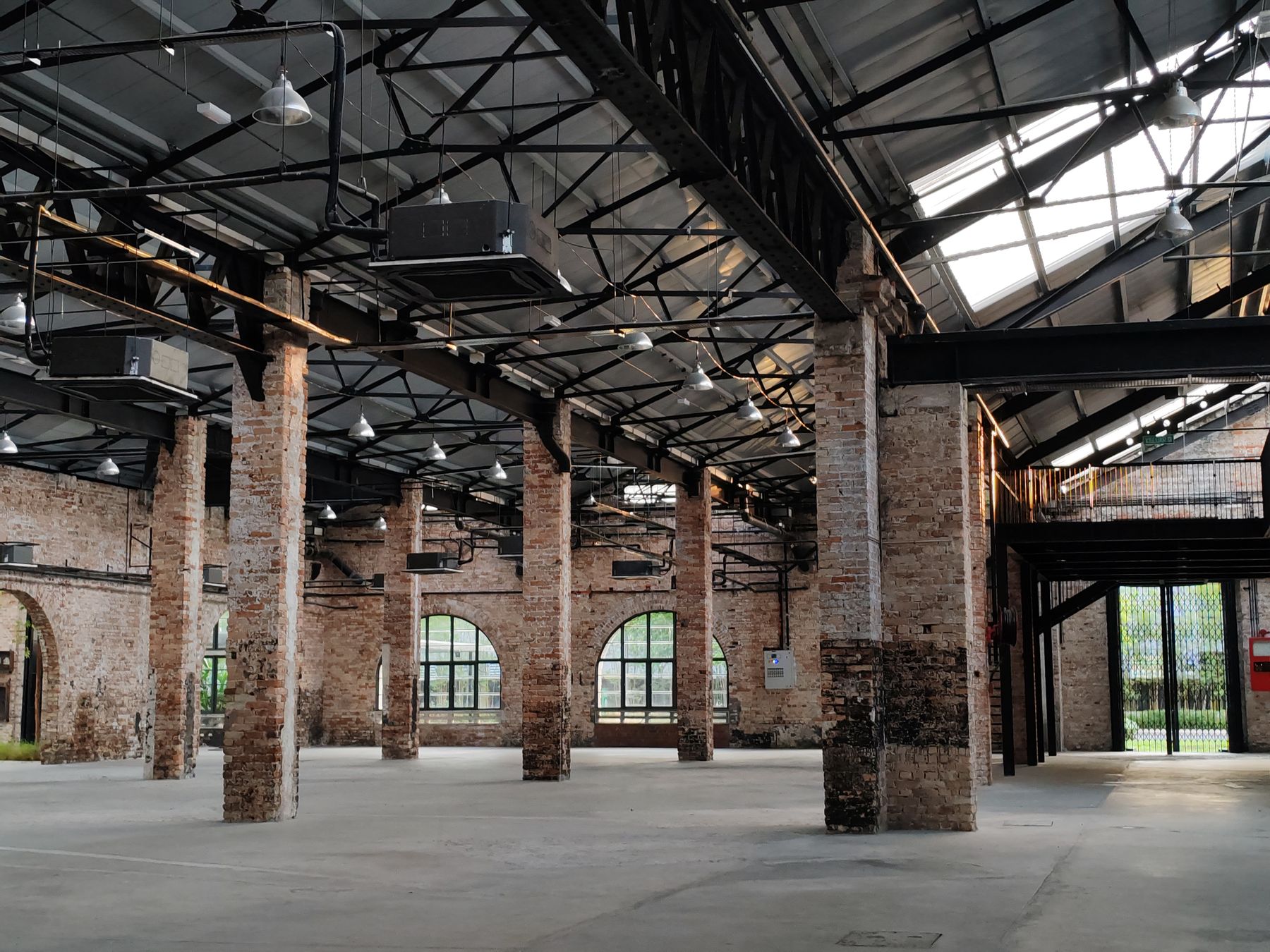
Adaptive reuse of factories: what makes industrial conversions work
Factory adaptive reuse can turn former industrial buildings into housing, offices, mixed-use space and more. Learn what makes a conversion viable.
Read article
Preserve Signal Blog
Practical notes on historic preservation, adaptive reuse, public records, and the project signals worth following.
Start with the project intelligence guideFactory adaptive reuse can turn former industrial buildings into housing, offices, mixed-use space and more. Learn what makes a conversion viable.
Read article
Preservation, rehabilitation, restoration and reconstruction sound similar, but they are distinct historic-property treatments. Learn what each means.
Read article
Learn how mothballing historic buildings protects vacant properties through stabilization, weatherproofing, security, ventilation, and ongoing monitoring.
Read article
How adaptive reuse can create affordable housing in historic schools, mills, warehouses, and other existing buildings, including financing, preservation, code, and project signals.
Read article
Learn how to improve energy efficiency in historic buildings with audits, air sealing, moisture-safe insulation, window upgrades, heat pumps, and preservation planning.
Read article
Learn how historic paint analysis uses sampling, microscopy, and archival research to identify paint layers, colors, finishes, and building changes.
Read article
Learn how ADA requirements apply to historic buildings, when qualified-historic exceptions may apply, and how to improve access without unnecessary loss of historic fabric.
Read article
Learn how historic plaster restoration works, how ornamental and decorative plaster are repaired, and what plaster conditions can signal about future work.
Read article
Learn what an adaptive reuse ordinance can change, where building codes, historic tax credits, CEQA, and environmental due diligence still apply.
Read article
Learn how contemporary additions to historic buildings can be differentiated, compatible, subordinate, and consistent with preservation standards.
Read article